Ayahuasca Podcast
Explore Transformative Experiences

and ancestral Plant Medicine

WhatsApp-Image-2023-12-10-at-4.00.42 AM

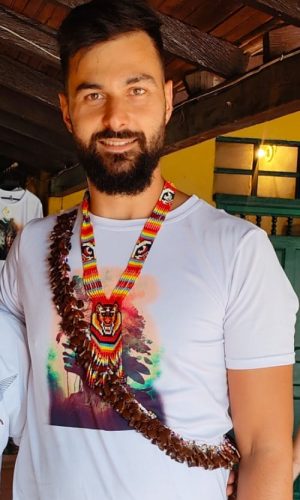
Founder & Host

Sam Believ

Sam had a life-changing experience with Ayahuasca with the medicine taking away his depression and helping him find his purpose. Now Sam is on a mission to spread the word about Ayahuasca with AyahuascaPodcast.com as well as provide affordable and accessible Ayahuasca experience at his retreat – LaWayra.

LaWayra has become the most reviewed Ayahuasca retreat in South America in 3 years of its existence and has changed lives of 1000s of people.

Enjoy New Shows

Latest episodes

For many people, ayahuasca remains surrounded by mystery. Some see it as a psychedelic experience, others view it as a spiritual practice, and many are unsure what to believe. In a conversation with entrepreneur and podcast host Sam Tejada, Sam Believ, founder of LaWayra Ayahuasca Retreat in Colombia, shared his perspective on what ayahuasca really is, who it can help, and why he believes it has the potential to transform not only individual lives but also the way the world sees Colombia.

His message was clear: ayahuasca is neither a miracle cure nor a recreational drug. It is a powerful tool that must be approached with respect, preparation, and proper guidance.

From Depression to Plant Medicine

Sam’s own journey with ayahuasca began through what he describes as a combination of curiosity and quiet desperation.

Although he had a successful career and appeared to be doing well from the outside, he often felt less happy than the people around him. At the same time, he kept encountering references to ayahuasca everywhere he looked. Friends talked about it, podcasts discussed it, and stories about it seemed impossible to avoid.

Eventually, curiosity won.

His first ceremonies helped lift a long-standing depression, and over time he felt increasingly drawn toward the medicine. That journey eventually led him deep into the Colombian jungle, where a series of experiences convinced him to dedicate part of his life to helping others heal through plant medicine.

What Ayahuasca Actually Is

Ayahuasca is a traditional Amazonian brew made from two plants: the ayahuasca vine and a DMT-containing shrub.

The preparation itself is considered ceremonial. Indigenous communities spend days cooking the medicine over wood fires while incorporating prayer, intention, and traditional practices throughout the process.

Different tribes use different recipes and proportions. Some add additional plants, while others work with only the vine and leaves.

At LaWayra, the medicine comes from the Inga tradition and is prepared using only the two core ingredients.

Why Preparation Matters

One of the strongest points Sam makes is that ayahuasca should never be treated casually.

People often focus on the ceremony itself while overlooking the preparation process that comes beforehand.

Physical preparation includes dietary adjustments and avoiding substances that may interact negatively with the medicine. Alcohol, recreational drugs, certain medications, and many processed foods are typically removed before a retreat.

Mental preparation is equally important.

Participants are encouraged to reduce exposure to stressful media, avoid unnecessary negativity, and begin reflecting on what they hope to heal or understand.

According to Sam, many people report positive changes beginning before they even arrive at the retreat, simply because they have already committed themselves to the healing process.

More Than a Physical Experience

Although ayahuasca affects the body, Sam believes its impact extends far beyond physical sensations.

He describes the process as operating on three levels simultaneously: physical, mental, and spiritual.

Physically, people often experience cleansing and purging.

Mentally, they may gain insight into patterns, traumas, and emotions that have been influencing their lives.

Spiritually, many participants report feeling more connected to themselves, nature, or their understanding of a higher power.

Importantly, Sam does not view ayahuasca as a religion.

People from Christian, Jewish, Muslim, Buddhist, and many other backgrounds have attended ceremonies and often report feeling more connected to their own faith afterward.

In his view, ayahuasca is not a belief system but a tool that helps people deepen their relationship with whatever spiritual framework they already hold.

Why Purging Is Not a Side Effect

One of the biggest fears newcomers have is the possibility of vomiting.

Sam understands the concern because he once felt the same way.

However, he argues that purging is not an unfortunate side effect but one of the most important aspects of the healing process.

People frequently describe releasing old emotions, traumas, fears, and psychological burdens through physical purging.

Many participants report feeling dramatically lighter afterward, both emotionally and physically.

While vomiting receives most of the attention, purging can take many forms. Crying, shaking, laughing, sweating, or releasing deeply suppressed emotions are all considered part of the same process.

Who Comes to Ayahuasca Retreats?

Contrary to popular stereotypes, Sam says retreat participants come from every imaginable background.

Veterans, first responders, business owners, lawyers, doctors, tradespeople, parents, and retirees all attend ceremonies.

Many arrive during difficult periods in their lives.

Some struggle with depression, anxiety, trauma, addiction, or relationship problems. Others feel lost, disconnected, or emotionally exhausted despite outward success.

He often sees people arrive after exhausting every conventional option available to them.

For some, ayahuasca feels like a last resort.

Ayahuasca and Personal Transformation

One concern often raised by entrepreneurs and ambitious professionals is whether ayahuasca will remove their drive or ambition.

Sam believes the answer depends on what motivates that drive in the first place.

If success is being pursued to compensate for deep insecurity, trauma, or the need for external validation, ayahuasca may reveal those patterns and reduce the emotional force behind them.

But if someone’s work is aligned with purpose and genuine passion, he believes the medicine often strengthens their motivation rather than diminishing it.

Ayahuasca does not necessarily remove ambition. It tends to clarify where that ambition is coming from.

Safety and Responsible Use

Although Sam strongly believes in the healing potential of ayahuasca, he is equally clear that it carries risks.

People with schizophrenia, bipolar disorder, certain cardiovascular conditions, or those taking antidepressants may not be suitable candidates.

This is why proper screening, preparation, and experienced leadership are essential.

He compares drinking ayahuasca without proper guidance to attempting a complex medical procedure without a doctor.

The medicine itself is powerful, but the environment and expertise surrounding it are what help keep people safe.

Rebranding Colombia Through Healing

Beyond individual transformation, Sam has a larger vision.

For decades, Colombia has been associated internationally with cocaine, cartels, and violence.

Yet the same country is home to some of the world’s richest traditions of plant medicine and indigenous healing.

His dream is simple: to help shift Colombia’s reputation from cocaine to ayahuasca.

Not because ayahuasca is perfect or magical, but because it represents a very different story — one focused on healing rather than harm.

For Sam, that transformation is already beginning, one ceremony and one person at a time.


Listen to the whole podcast episode here: https://open.spotify.com/episode/4SiVgNXKVvXvxOZbdGUnUK

In this episode of the Ayahuasca Podcast, the host connects with Carlos Tanner. Carlos is the founder and director of the Ayahuasca Foundation, an organization he established in 2009 after moving to the Peruvian Amazon in 2004. Transitioning from his own personal healing journey to becoming a dedicated apprentice of indigenous curanderos, Carlos now bridges ancestral wisdom with modern scientific research. He is also a founding member of the Psychedelic Medicine Association, dedicating his life to helping individuals navigate trauma, healing, and deep personal transformation.

Carlos opens up about how his early life and philosophical studies uniquely prepared him for shamanism, how a severe opiate addiction catalyzed a life-saving leap of faith into the Amazon, and how his work bridging clinical science with the Shipibo tradition is sparking a global revival of ancestral plant relationships.

Key Discussion Points

  • 01:22 – Seeds of Shamanism & Overcoming Addiction: Carlos explains how playing with an Ewok shaman toy, experimenting with psychedelics in high school, and studying the philosophy of religion laid his spiritual groundwork. This foundation ultimately aligned with a life-saving synchronicity that brought him to Peru in 2003 to break free from a downward spiral of opiate addiction.

  • 05:26 – Shifting Western Paradigms: Exploring the dramatic evolution of the ayahuasca space over the last two decades, moving away from a purely materialist, chemical-to-biology framework toward a deep respect for shamanic ritual, intention, and complex traditional practices like plant dietas.

  • 09:23 – From Rugged Adventure to Modern Comfort: How the demographic of people seeking ayahuasca expanded exponentially as retreat environments evolved from rustic, off-grid jungle camps requiring multi-hour treks to fully accessible modern research and retreat centers powered by solar energy.

  • 13:56 – Synchronistic Infrastructure & The Foundation’s Birth: Carlos shares the wild logistical journey of committing to study under Shipibo healer Don Enrique Lopez, inheriting an unfinished community infrastructure project in the remote Mishana reserve, and using an inheritance from his late mother to launch the Ayahuasca Foundation in 2009.

  • 21:34 – Bridging Science and Spirit: Highlighting the “field of dreams” creation of their dedicated research facility, partnering with Onaya Science to publish academic papers on personality changes, anxiety, and depression, and collaborating with the Heroic Hearts Project to study veterans suffering from treatment-resistant PTSD.

  • 26:26 – Cellular Agency and the Earth’s Agenda: A deep philosophical look at human willpower, proposing that humans operate much like individual cells within the grander physical body and consciousness of the Earth, carrying out a vital cellular role dictated by a higher planetary intelligence.

  • 31:15 – Healing as an Art Form & Expanding Awareness: Breaking down the neurobiology of ayahuasca, explaining how it temporarily deactivates the brain’s sensory gating filters to expand conscious awareness, and how true healing occurs when a person uses that heightened sensitivity to correct false beliefs and traumatic misinterpretations.

  • 37:41 – The Challenge of Scientific Language: Discussing his role as a philosopher of healing and navigating the complex linguistic tightrope of translating deeply spiritual, non-material indigenous phenomena to a rigid Western scientific community without being seen as having “gone off the deep end”.

  • 45:59 – Noya Rao and Global Shamanic Revival: An exploration of Noya Rao, an enlightened tree consciousness central to their Shipibo lineage, and a profound story of a student who successfully utilized traditional Shipibo dieta protocols on the Blue Lotus plant to demonstrate how intact traditions can revive ancestral relationships with native flora globally.

  • 55:24 – The Future of the Psychedelic Space: Delving into the conflict between process-based plant medicine traditions and substance-focused Western psychedelic therapy, while proposing how modern medical protocols—like chemotherapy—could be radically improved if administered within an intentional, sacred retreat setting.

Connect with Carlos Tanner:

  • Website: ayahuascafoundation.org

  • Note: Messages sent via the website’s “Contact Us” form go directly to Carlos.

Experience Safe, Guided Consciousness Work:

To explore heart-opening, traditional plant medicine retreats in a deeply restorative setting designed for integration and profound clarity, explore our programs at: ayahuascaincolombia.com

Ayahuasca has become one of the most talked-about plant medicines in the world, yet many people remain unsure about what an ayahuasca retreat is actually like. Stories range from profound healing and personal transformation to challenging emotional experiences and encounters that seem impossible to explain.

In a conversation on the Meta Mystics podcast, ayahuasca retreat founder Sam Believ shared his perspective after facilitating thousands of participants at his retreat center in Colombia. His insights provide a realistic look at what people can expect when approaching this powerful medicine.

Healing Comes First

One of the biggest misconceptions about ayahuasca is that it is primarily about visions, mystical experiences, or spiritual exploration.

According to Sam, healing should always come first.

While ayahuasca can produce extraordinary experiences, the primary goal is often much simpler: helping people address depression, anxiety, trauma, addiction, emotional pain, and unhealthy patterns that have been affecting their lives for years.

Many participants arrive seeking answers to specific problems, only to discover that the medicine focuses on something entirely different. In Sam’s experience, ayahuasca tends to reveal what a person needs rather than what they initially want.

This is why intentions are encouraged, but expectations are discouraged.

Every Experience Is Different

Unlike many other psychedelics, ayahuasca rarely produces the same experience twice.

One ceremony may be highly emotional, bringing buried memories and feelings to the surface. Another may be intensely physical, involving purging and bodily release. A different ceremony might involve vivid visions, spiritual insights, or a deep sense of connection.

Some participants report profound visual journeys, while others experience very little visually but still leave feeling transformed.

This unpredictability is part of what makes ayahuasca unique. There is no guaranteed script or sequence of events.

For this reason, experienced facilitators encourage participants to surrender to the process rather than trying to control it.

The Importance of Set and Setting

A recurring theme throughout the discussion was the importance of preparation and environment.

Sam believes many of the frightening stories associated with ayahuasca come from poor facilitation rather than the medicine itself.

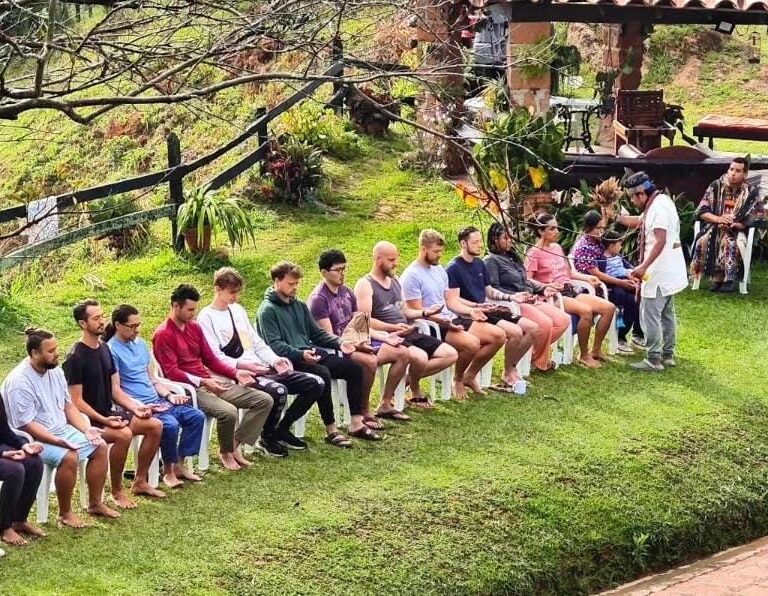
A well-run retreat focuses heavily on creating a safe container. Participants spend time settling into the environment, meeting the group, learning about the process, and understanding how to navigate difficult moments before drinking the medicine.

The ceremony itself is supported by experienced facilitators, traditional music, and an experienced shaman who guides the process.

This sense of safety allows participants to let go more fully and engage with whatever arises.

Without proper support, even experienced psychedelic users can become overwhelmed.

Understanding Difficult Experiences

Many people worry about having a “bad trip.”

Sam prefers a different perspective.

A difficult experience is not necessarily a bad one.

Some of the most challenging ceremonies can also be the most healing. Confronting painful memories, fears, grief, or unresolved trauma may feel uncomfortable in the moment, but often leads to significant breakthroughs afterward.

The key difference lies in how a person responds.

Resisting the experience tends to increase suffering, while accepting and moving through it often transforms the challenge into something productive.

In this way, ayahuasca can resemble an intense form of emotional training, helping participants develop resilience and self-awareness.

Physical and Emotional Healing

While ayahuasca is often associated with mental health, Sam has also witnessed many participants report improvements in physical conditions.

People have arrived seeking help for depression and later noticed improvements in digestive issues, autoimmune symptoms, allergies, chronic pain, or other long-standing health concerns.

At the same time, he cautions against viewing ayahuasca as a miracle cure.

Rather than instantly fixing every problem, the medicine often opens a door. Real healing still requires effort, integration, and lifestyle changes after returning home.

The ceremony may begin the process, but the work continues afterward.

The Power of Community

An often-overlooked aspect of ayahuasca retreats is the group experience.

Participants arrive as strangers but frequently leave feeling deeply connected.

Through sharing circles, ceremonies, emotional vulnerability, and mutual support, people develop bonds that can feel surprisingly meaningful after only a few days together.

Many participants openly discuss personal experiences they may have never shared with friends, family members, or even therapists.

This sense of community can be healing in its own right.

In a world where loneliness and isolation are increasingly common, simply being seen and understood by others can have a profound impact.

Integration Is Where Real Change Happens

Perhaps the most important lesson is that the retreat is only the beginning.

Many people describe ayahuasca as feeling like years of therapy compressed into a short period of time. While this can create powerful breakthroughs, those insights must be integrated into daily life.

Returning home and immediately falling back into old habits often reduces the long-term benefits.

Instead, practices such as therapy, journaling, meditation, exercise, and conscious lifestyle changes help turn temporary insights into lasting transformation.

Ayahuasca may reveal what needs attention, but participants still need to do the work.

A Journey of Self-Discovery

For those considering an ayahuasca retreat, the experience can be difficult to fully understand beforehand.

It can be emotional, physical, spiritual, beautiful, uncomfortable, and deeply meaningful—all within the same ceremony.

What remains consistent is its potential to help people reconnect with themselves.

As Sam explains, the medicine rarely gives people exactly what they expect. Instead, it tends to provide what they need most at that moment in their journey.

And for many, that becomes the beginning of profound personal change.


Listen to the whole podcast episode here: https://open.spotify.com/episode/4x4CUCAntsdsw9nYyEkxoK

Join our

Podcast

Learn everything about Ayahuasca

In each episode of Ayahuasca podcast we explore the history, cultural meaning, and personal journeys related to this special plant medicine. We talk with shamans, researchers, and people who share their own

Title
.