
For many people, ayahuasca remains mysterious. Stories range from profound healing and spiritual awakening to emotional breakthroughs and intense physical purging. Yet one of the most common questions remains surprisingly simple:
What actually happens at an ayahuasca retreat?
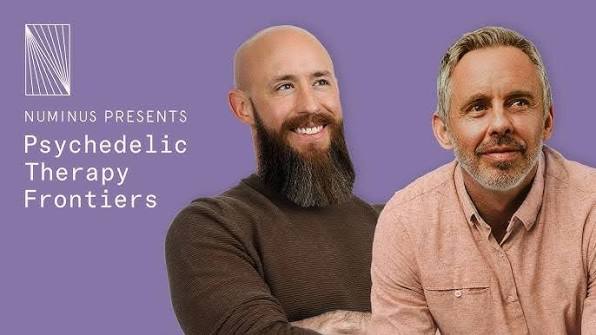
In a conversation on the Psychedelic Therapy Frontiers podcast, Sam Believ, founder of LaWayra Ayahuasca Retreat in Colombia, shared an inside look at how retreats are structured, why preparation matters, and what participants can realistically expect from the experience.
Ayahuasca Is Not Just About the Ceremony
Many first-time participants focus almost entirely on the moment they drink the medicine.
According to Sam, this is a mistake.
The ceremony itself is only one part of a much larger process. Preparation, community, integration, and emotional safety all play essential roles in determining whether the experience becomes meaningful and transformative.
At LaWayra, participants spend more than a full day preparing before they ever drink ayahuasca. During that time, they meet the facilitators, get to know the group, participate in workshops, and learn what to expect during the ceremonies.
This preparation helps reduce fear and creates a sense of trust that allows people to surrender more fully to the process.
Why Trust Matters
One of the biggest challenges for newcomers is uncertainty.
Many people arrive carrying fears about losing control, having a difficult experience, or confronting painful emotions.
Building trust helps address these concerns.
Participants take part in sharing circles where they discuss their lives, challenges, and intentions. As people become more open, they often discover that many others are struggling with similar issues.
This creates an environment of understanding and support.
Rather than entering the ceremony surrounded by strangers, participants begin to feel like they are entering the experience with a community.
The Ceremony Begins
When ceremony night arrives, participants gather in the ceremonial space, often called a maloca.
The evening begins quietly.
Breathing exercises and guided meditation help participants relax and settle into the experience. The shaman then prepares the medicine and serves each person individually.
Unlike some retreat models where participants choose their own dose, the amount is typically determined by the shaman based on experience, observation, and tradition.
Once participants drink the medicine, they return to their mattresses or seating areas and wait.
For some, effects begin within twenty minutes.
For others, it may take much longer.
The experience unfolds differently for everyone.
Why People Purge
Perhaps the most misunderstood aspect of ayahuasca is purging.
Many newcomers focus on vomiting as something to avoid.
Sam views it differently.
In traditional ayahuasca work, purging is often considered a central part of the healing process rather than an unfortunate side effect.
People may release emotions, memories, fears, or psychological burdens through physical purging. Crying, shaking, sweating, yawning, and other forms of emotional release can also be part of the process.
Not everyone purges in the same way, but many participants eventually come to see it as an important part of the journey.
Every Experience Is Unique
One reason ayahuasca is difficult to describe is that no two experiences are exactly alike.
Some people encounter vivid visions.
Others receive emotional insights.
Some feel deeply connected to nature, family, or spirituality.
Others spend most of the ceremony quietly reflecting on their lives.
Many participants arrive expecting dramatic visual experiences and are surprised when the medicine works in subtler ways.
According to Sam, healing does not always look the way people expect.
Sometimes the most important changes happen beneath conscious awareness.
The Role of the Group
A common concern among first-time participants is the group setting.
Many worry that being surrounded by strangers will make it harder to relax.
In practice, the opposite often happens.
As participants share stories and experiences throughout the retreat, strong connections begin to form.
People realize they are not alone in their struggles.
The support of the group frequently becomes one of the most meaningful aspects of the retreat experience.
Many participants leave with friendships that continue long after they return home.
For some, simply being seen, heard, and understood becomes a powerful form of healing.
Healing Takes Many Forms
People come to ayahuasca retreats for a wide variety of reasons.
Some struggle with depression, anxiety, addiction, trauma, or emotional pain.
Others feel disconnected from themselves or uncertain about their direction in life.
Many arrive seeking clarity, purpose, or spiritual exploration.
While ayahuasca can provide profound insights, Sam emphasizes that it is not a magical solution.
The medicine can open a door, but participants still need to walk through it.
Lasting transformation requires action after the retreat ends.
The Importance of Integration
One of the most important parts of any retreat happens after participants return home.
Insights gained during ceremony need to be integrated into everyday life.
This may involve journaling, therapy, meditation, exercise, healthier relationships, or significant lifestyle changes.
Without integration, even the most profound experiences can gradually fade.
With integration, however, temporary insights can become permanent changes.
According to Sam, the retreat may end when participants leave Colombia, but the real healing journey is often just beginning.
Is Ayahuasca for Everyone?
Sam is careful not to present ayahuasca as a universal solution.
He believes it is not for everyone.
At the same time, he also believes that more people could potentially benefit from the experience than they realize.
When approached responsibly, with proper preparation, skilled facilitation, and realistic expectations, ayahuasca can become a powerful catalyst for healing, growth, and self-discovery.
For many participants, the most surprising realization is that the experience is not ultimately about visions, mystical encounters, or extraordinary stories.
It is about developing a deeper relationship with themselves and discovering new possibilities for how they want to live their lives.
Listen to the whole podcast episode here: https://open.spotify.com/episode/4at8OxogcYXW3Yt8WwGWVk