
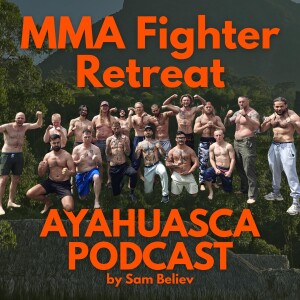
A group of 12 combat sports athletes recently came together in the Colombian Andes for an unusual experiment: four ayahuasca ceremonies combined with scientific observation, brain mapping, and a shared focus on trauma and traumatic brain injury.
The group included MMA fighters, UFC veterans, bare-knuckle boxers, wrestlers, and jiu-jitsu competitors, many with championship-level careers. The retreat was organized with Athlete’s Journey Home, an organization working with combat sports athletes affected by the physical and psychological consequences of fighting.
From Fighters to a Vulnerable Community
One of the biggest surprises was the group dynamic. Bringing highly competitive fighters together might suggest an environment dominated by ego and aggression. Instead, participants described something very different.
Titles and achievements largely disappeared from the conversation. Fighters cried, shared painful experiences, supported one another, and openly admitted that they needed help. Several participants described the group as unusually cohesive because everyone understood what years of fighting can do to the body and mind.
That shared background became part of the retreat itself. Rather than competing against one another, the fighters were confronting injuries, addiction, PTSD, childhood trauma, relationship problems, and the difficult question of what comes after a life built around combat.
The Hidden Cost of Combat Sports
Former MMA champion Ian McCall and bare-knuckle champion Mark Irwin spoke about repeated concussions and the long-term consequences faced by fighters. McCall described experiencing hundreds of concussions over his lifetime, while Irwin said repeated head trauma ultimately pushed him toward research into psychedelic therapies.
Other participants shared similarly difficult histories. Bare-knuckle fighter Matthew Martin discussed childhood abuse and years of heroin and crack addiction before becoming sober. Clinton Faucher described a traumatic brain injury that once caused severe memory problems, including becoming disoriented while driving his daughter to school and needing reminders around his home.
Faith, a military veteran, firefighter, and fighter, described cumulative trauma and PTSD symptoms including panic attacks, hypervigilance, and anger. She said ayahuasca had not eliminated those symptoms but had made them more manageable.
What the Fighters Reported
The experiences varied considerably. Irwin, drinking ayahuasca for the first time, described feeling greater empathy and connection. McCall, who already had extensive psychedelic experience, found the Colombian ceremonies less focused on dramatic visions and more introspective, emotional, and physically purgative.
Other fighters reported feeling calmer, clearer, less reactive, or more capable of looking at painful experiences. These were personal reports rather than clinical conclusions, but a recurring theme was that the ceremonies created space to examine problems that had previously been hidden behind toughness, competition, or survival.
Measuring the Brain Before and After Ayahuasca
The retreat also included QEEG brain mapping before and after the ceremonies. Neuroscience researcher Luke Jensen discussed preliminary observations from the fighters as well as a larger collection of pre- and post-ayahuasca brain maps gathered at LaWayra.
Jensen described QEEG as a way of examining patterns of brainwave activity and identifying areas of dysregulation. In one fighter with significant head trauma, he reported that a pattern interpreted by the team as inflammation was substantially reduced after the week.
However, Jensen also emphasized that the broader dataset still needs to be properly analyzed. The observations are therefore preliminary and should not be treated as proof that ayahuasca can heal traumatic brain injury, PTSD, or other neurological conditions.
A Different Meaning of Strength
Perhaps the most striking part of the retreat had little to do with brain scans. Combat sports reward toughness, pain tolerance, aggression, and the ability to keep moving forward. Those same qualities can make it difficult for fighters to admit when they are struggling.
At the retreat, strength took a different form. World champions and experienced fighters openly discussed fear, addiction, grief, trauma, family problems, and uncertainty about the future. Participants repeatedly described the absence of ego as one of the most powerful aspects of the experience.
For athletes whose lives have been defined by fighting, the week suggested another possibility: sometimes the hardest fight is not against another person. It is learning how to face what remains after the crowd disappears, the career ends, and the fighter finally has space to look inward.
Listen to the whole podcast episode here: https://open.spotify.com/episode/2esZp7zMLv7n2OFlB5xZIq?si=efbefe1638ce4520