
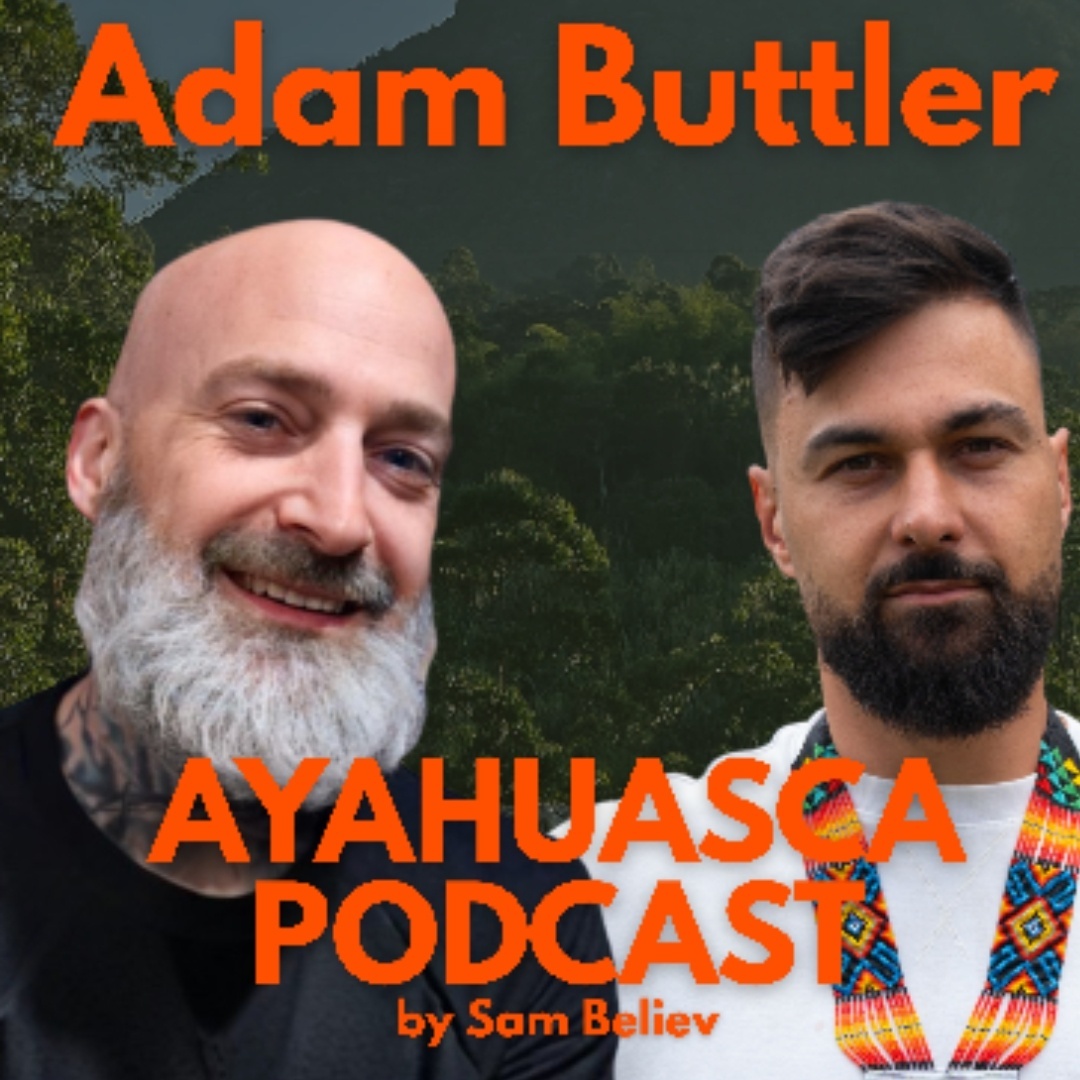
At around 40 years old, Adam Butler appeared to have everything society says should make a person successful: high-paying jobs, multiple houses, sports cars, and relationships. Internally, however, his life was collapsing. He was struggling with alcohol, depression, broken relationships, anger, and suicidal thoughts.
In a conversation on the Ayahuasca Podcast, Butler described how psychedelics became part of a much larger process of rebuilding his life. His story also opened a broader discussion about midlife crisis, the differences between DMT and ayahuasca, the importance of safety, and why psychedelic experiences ultimately matter only if their lessons are integrated into everyday life.
When External Success Is Not Enough
Butler describes his crisis as a realization that external achievements were not solving his internal problems. Looking back, he believes warning signs had been accumulating for years, but he repeatedly found ways to avoid them.
He compares these signals to warning lights on a car. Stress, unhappiness, unhealthy relationships, overwork, substance use, and a persistent sense of meaninglessness may indicate that something deeper needs attention. The problem is that people can spend years masking those signals rather than examining them.
For Butler, the situation eventually became impossible to ignore. He stopped drinking alcohol and began exploring psilocybin after hearing about other people’s therapeutic experiences. He says those experiences forced him to examine parts of himself he had previously avoided.
The DMT Experience That Changed His Direction
Butler says mushrooms helped him recognize his problems, but DMT produced the dramatic perspective shift that changed his direction. At the time, he was in an extremely dark place and contemplating ending his life.
He describes the experience as an intense confrontation with himself rather than a simple escape from his problems. One of the central realizations was that he could not continue looking for external solutions to internal pain.
Importantly, Butler does not describe psychedelics as a magic fix. His problems did not disappear after one experience. Instead, he says the experience illuminated what needed to change and helped him begin moving forward differently.
DMT vs. Ayahuasca
A major part of the conversation focused on the differences between inhaled DMT and ayahuasca. Butler describes inhaled DMT as extremely intense but remarkably brief, with the main experience often lasting only several minutes. Ayahuasca, by contrast, creates a much longer process and is traditionally experienced within a ceremonial environment.
Butler has experience with both and sees value in different approaches. However, both he and host Sam Believ emphasize that powerful psychedelics should be approached carefully. Psychedelic experiences can be disorienting and unpredictable, particularly for inexperienced users.
The discussion repeatedly returns to the importance of preparation, trusted support, a safe environment, and respect for the intensity of the experience.
Why the Container Matters
Butler initially approached psychedelics largely through personal exploration, but he says guided experiences gave him a new appreciation for what it means to have someone properly hold space.
Even an experienced person can encounter frightening or confusing experiences. Having trusted people present can provide physical safety, reassurance, and grounding when normal perception changes dramatically.
Believ also distinguishes between personal experimentation and traditional ayahuasca practice. Based on his experience working with thousands of retreat participants, he argues that people seeking healing should ideally gain experience in a structured environment before considering more independent forms of psychedelic exploration.
Integration Is the Real Work
Despite the extraordinary experiences Butler describes, his strongest message is surprisingly practical: what happens afterward matters most.
Integration can mean changing relationships, leaving destructive environments, improving daily habits, practicing meditation or yoga, creating art, spending more time in nature, or surrounding yourself with people who hold you accountable. The specific path will differ from person to person.
Butler believes psychedelic experiences can make it difficult to continue ignoring patterns that are clearly damaging. But recognizing those patterns is only the beginning. Lasting change requires acting on what was learned.
From Healing to Growth
The conversation ultimately moves beyond psychedelics themselves. Butler stresses that these substances are not for everyone and that people can reach greater peace, self-knowledge, and fulfillment through many other paths.
Believ compares psychedelics to a helicopter ride to the top of a mountain: they may briefly show someone a radically different perspective, but eventually that person returns to the ground and still has to find a sustainable way upward.
For Butler, that is where the real transformation happens. Psychedelics may provide an interruption, a mirror, or a glimpse of another way of living. The goal is not to remain dependent on extraordinary experiences, but to build an ordinary life that no longer feels necessary to escape.
Listen to the whole podcast episode here: https://open.spotify.com/episode/3NPD9JNZiPBP9IOWpwb1fG?si=s3IvO_ClTo6U-b0g4xXbHQ