
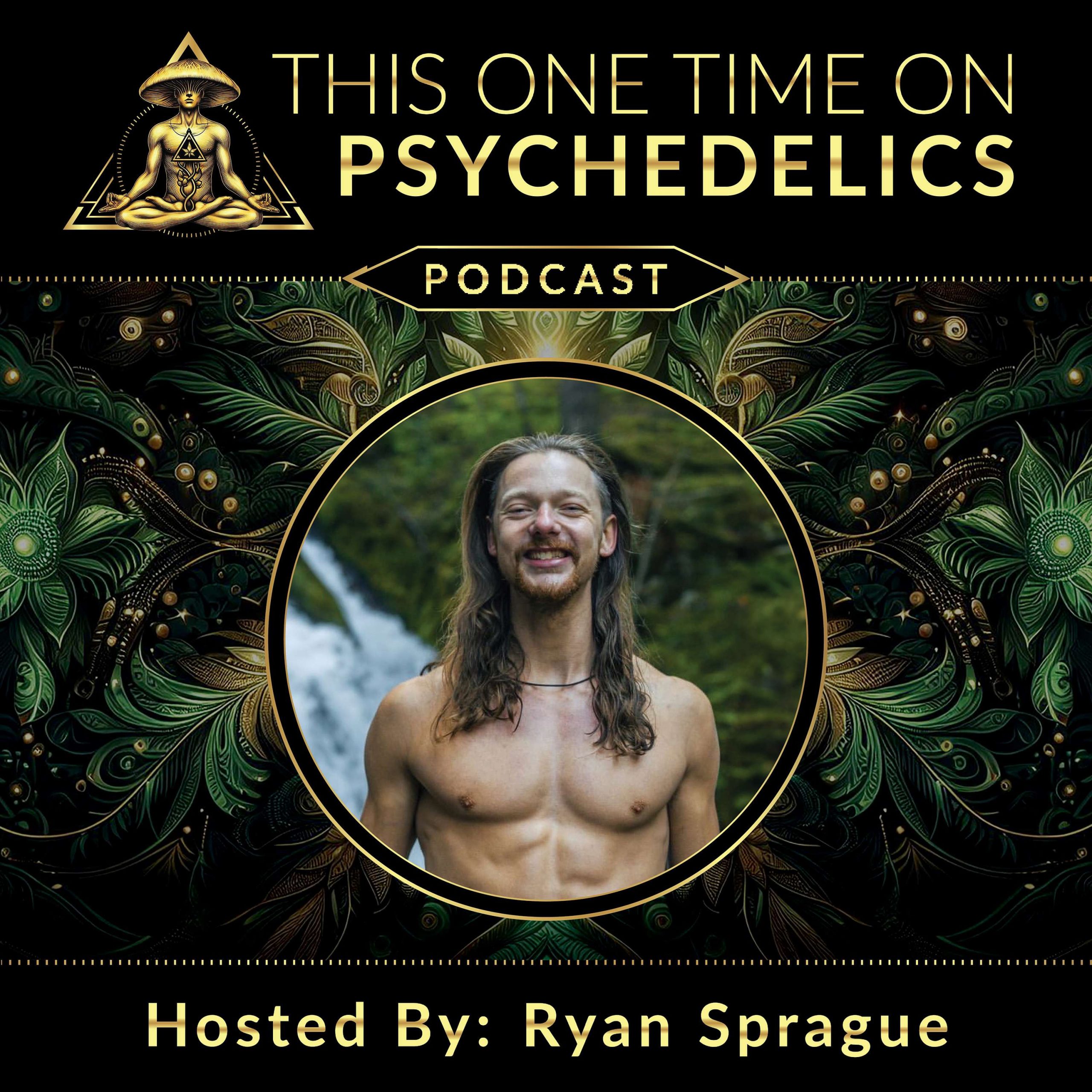
For many people, the path toward ayahuasca begins with curiosity. For Sam Believ, founder of LaWayra Ayahuasca Retreat in Colombia, it also began with a quiet sense that something was missing.
Originally from Latvia, Sam trained as an engineer and built a financially successful career in the offshore oil and gas industry. From the outside, his life appeared complete. He earned well, traveled, had a relationship, and enjoyed the comforts that are often presented as signs of success. Internally, however, he felt emotionally disconnected and increasingly dissatisfied.
Ayahuasca was not an obvious next step. Sam had grown up with a strong fear of drugs and initially rejected the idea completely. Yet the subject kept returning through conversations, books, podcasts, and unexpected encounters. Eventually, curiosity combined with the realization that his current way of living was not making him happy.
His first ceremony did not simply produce a dramatic experience. It gradually changed the direction of his life. Sam describes it as a small shift in course that became increasingly significant over time. Years later, the former engineer was living in Colombia, running an ayahuasca retreat, hosting a podcast, and helping others explore the same medicine he had once refused to consider.
Psychedelics Open the Door, but Integration Creates Change
One of the central lessons from his journey is that psychedelics are not a complete solution by themselves. Sam compares them to dynamite used to create a tunnel through a mountain. The explosion can break through deeply buried material, but the rubble still needs to be cleared. Therapy, meditation, yoga, time in nature, and honest personal reflection are the tools that turn an intense experience into lasting progress.
Without integration, repeated ceremonies may create confusion rather than transformation. A person can continually uncover new emotions, memories, and insights without making practical changes in daily life. Sam experienced this personally when he began attending ceremonies too frequently. During one difficult experience, he felt as though the medicine was asking why he had returned before completing the work already shown to him.
Over time, he learned to see ayahuasca as one tool within a larger personal healing system. Different situations may require different forms of support. Sometimes that may include a ceremony, while other moments may call for therapy, rest, meditation, or a change in lifestyle. Maturity involves moving beyond the belief that one method can solve every problem.
The Importance of Tradition and Setting
Sam also emphasizes the importance of setting, tradition, and the people leading the ceremony. Although modern psychedelic therapy is increasingly associated with clinical environments, he believes traditional knowledge should not be removed from the process. Indigenous practitioners may carry generations of experience in preparing the medicine, organizing ceremonies, supporting participants, and navigating difficult moments.
This is one reason he became passionate about Colombia as an ayahuasca destination. While Peru is more widely associated with ayahuasca tourism, Colombia has its own deeply rooted traditions, where the medicine is often called yagé. The main distinction may involve the specific plants used in the brew, but Sam argues that the quality of the shaman, the preparation, and the ceremonial environment matter more than terminology.
Ideally, the medicine is grown, harvested, prepared, and served within a trusted lineage. This continuity can help preserve both the practical knowledge and the spiritual framework surrounding the experience.
Building a Retreat Around Purpose
LaWayra itself developed gradually rather than beginning as a calculated business plan. Sam originally wanted a place where he could drink medicine with friends. The project expanded through word of mouth and repeated demand.
Running a retreat eventually required managing accommodation, food, staff, musicians, ceremonies, guest support, and ongoing education. Although financial sustainability is necessary, Sam believes the medicine and the desire to help people must come before profit.
His story demonstrates how purpose may emerge from an unexpected direction. Ayahuasca did not give him a finished plan for his future. Instead, it helped him reconnect with his emotions, question the life he had built, and become more open to possibilities he could not previously imagine.
For those who feel drawn toward ayahuasca, the message is not to rush blindly into an experience. Careful screening, proper preparation, qualified support, and realistic expectations all matter. The ceremony may open a doorway, but the deeper journey begins with what a person chooses to do after walking through it.
Listen to the whole podcast episode here: https://open.spotify.com/episode/02lwPffw7i8mzF5Bd1Y7iX